
Dubai, the shimmering jewel of the United Arab Emirates, promises a captivating blend of history, modernity, and cultural diversity. Known for its architectural marvels, vibrant food scene, and warm hospitality, this city has much to offer for the intrepid traveler. Whether you’re drawn by the allure of the world’s tallest building, the rich flavors of Emirati cuisine, or the prospect of finding a hidden gem in the bustling souks, Dubai will not disappoint. If you’re planning your first visit to this dynamic city, our guide packed with essential tips will help you navigate your Dubai adventure with confidence and ease. Embark on this journey with us and prepare to be dazzled by the myriad experiences that await you in the heart of the desert.
Understanding Dubai’s Unique Culture
Respect for Local Customs
Dubai’s culture is an enthralling tapestry woven with traditions from the Arabian Peninsula, colored with the threads of Islamic customs, and speckled with influences from expatriates living in the metropolis. Emirati culture reverberates with the echoes of rich history, deeply rooted in Bedouin traditions, influenced by regional trade routes, and brought into the modern age by the Emirate’s visionary leadership. As a first-time visitor, understanding and respecting these customs is a crucial part of immersing yourself in the Dubai experience.
At the heart of these customs is a deep respect for the religion that shapes life in Dubai – Islam. The city observes the five pillars of Islam, which outline moral guidelines and duties including prayer, charity, fasting, and pilgrimage. As a guest, you’re not expected to follow these practices, but you are expected to respect them. You’ll notice the call to prayer echoing across the city five times a day. During this time, you’ll see people heading to mosques for prayer. If you wish to visit a mosque, make sure to dress modestly, covering your arms, legs, and hair.
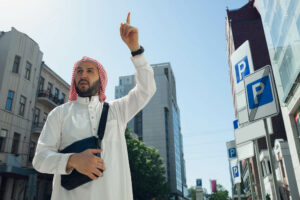
Modesty is highly valued in Dubai, and this is reflected in the local attire. Emirati men often wear a ‘kandura’ or ‘dishdasha’ – a white, ankle-length robe, while women wear an ‘abaya’ – a black over-garment, and a ‘shayla’ or ‘hijab’ – a headscarf. As a visitor, you’re not expected to adopt these styles, but you should dress modestly, particularly in public places and religious sites. Beachwear should be confined to the beach or pool, and when in doubt, it’s best to err on the side of conservatism.
Dubai’s hospitality is legendary, and it is rooted in the Bedouin tradition of welcoming travelers with open arms. You may be invited to an Emirati’s home for a meal. If so, remember to always accept food and drink with your right hand, which is considered clean, while the left is reserved for hygiene purposes. It’s customary to remove your shoes at the door, and it’s considered polite to bring a small gift for your host. Also, keep in mind that direct eye contact can be seen as aggressive in this culture, and always respect the social distance, especially with the opposite sex.
The holy month of Ramadan holds special significance in the Islamic calendar. During this time, Muslims fast from sunrise to sunset, and the pace of life in the city slows down. Eating, drinking, or smoking in public during daylight hours is considered disrespectful and is legally restricted. If you’re visiting during Ramadan, ensure to respect these rules. While this period might sound challenging, it’s also a unique time to experience Dubai’s culture. Nights come alive with ‘Iftar’ – the meal that breaks the daily fast, and ‘Suhoor’ – the pre-dawn meal, and the city sparkles with festive decorations.
The Arabic language, with its poetic nuances and eloquent expressions, is another key component of Emirati culture. While English is widely spoken in Dubai, learning a few Arabic phrases can enrich your experience and showcase your respect for the local culture. Simple phrases like ‘As-salaam alaykum’ (Peace be upon you), ‘Shukran’ (Thank you), and ‘Ma’a as-salaama’ (Goodbye) can go a long way in building connections with locals.
In conclusion, the Dubai experience is enriched by understanding and respecting local customs and traditions. From the deep-seated religious practices to the vibrant social customs, the city offers a chance to delve into a culture that beautifully balances tradition with modernity. As you navigate Dubai’s sandy landscapes, glittering skyscrapers, and bustling souks, remember that you’re not just a tourist, but a guest – and in the spirit of true Emirati hospitality, the city opens its heart to those who treat it with respect. So, immerse yourself in the rich tapestry of Emirati customs, observe, learn, and most importantly, respect. You’ll leave with not just beautiful memories, but also a deeper understanding of a unique culture and its people.
Attire Expectations
Dubai, the glimmering oasis of the Middle East, is a vibrant blend of cultures and a true embodiment of the old adage “East meets West.” A marvel of modern architecture and old-world charm, Dubai embraces diversity with open arms, attracting millions of tourists each year. As you prepare to visit this magnificent city, one question might crop up more frequently than others – ‘What should I wear in Dubai?’ Understanding the city’s unique culture and corresponding attire expectations is a key part of planning your trip, and respecting these guidelines is an important part of being a mindful visitor.
Traditional Emirati attire is deeply rooted in the country’s history, religion, and climate. Emirati men commonly wear a ‘kandura’ or ‘dishdasha’, an ankle-length white robe, while Emirati women wear an ‘abaya’, a loose-fitting black robe, often paired with a ‘shayla’ or ‘hijab’, a headscarf. These traditional outfits are practical, providing protection from the desert sun while symbolizing cultural and religious values. As a visitor, you aren’t expected to wear these garments, but observing modesty in your attire is a fundamental aspect of respecting Dubai’s culture.
While Dubai is known for its cosmopolitan spirit and tolerance, modesty is highly appreciated. In most public places such as shopping malls, restaurants, and on public transport, both men and women are advised to avoid clothing that is too revealing. Women should consider outfits that cover their shoulders and knees, and men should wear shirts and shorts or trousers that are knee-length or longer. It’s not unusual to see tourists in sleeveless tops or shorts, but dressing more conservatively helps maintain cultural sensitivity.
If you’re visiting a mosque, such as the iconic Jumeirah Mosque, which is one of the few in Dubai open to non-Muslims, both men and women are required to cover their arms, legs, and women need to cover their hair. You will often find clothing items available at mosque entrances to help visitors meet these guidelines. Remember, these rules aren’t about limiting personal expression but rather about respecting the sanctity of these religious sites.
In contrast, Dubai’s beaches, water parks, and swimming pools are more lenient. Swimwear is perfectly acceptable, but it’s still recommended to wear modest swimwear, and nudity is strictly prohibited. Once you leave the beach or pool area, put on some form of cover-up, like a sundress or shorts and a T-shirt.
Dubai’s nightlife is vibrant and thrilling. If you’re heading to a bar, club, or a high-end restaurant, the dress code can be more relaxed and lean towards ‘smart casual.’ Men can wear trousers and shirts, while women can wear dresses, skirts, or trendy jumpsuits. However, overly revealing clothes can still be frowned upon, and some venues may refuse entry to those not appropriately dressed.
Moreover, during the holy month of Ramadan, it’s recommended to be extra cautious with your clothing. Even though the city becomes more tolerant towards tourists during this period, out of respect for those observing the fast, avoid wearing revealing clothes in public places during the daytime.
Dubai’s blend of cultures, traditions, and modernity translates into a wide-ranging wardrobe that shifts according to the place, situation, and time of year. Dressing in Dubai isn’t about fashion alone, it’s about cultural respect and understanding. When in doubt, err on the side of modesty. Remember, each piece of clothing is like a thread that contributes to the cultural tapestry of this fascinating city. By dressing respectfully, you’re not just adhering to the social norms, but you’re also honoring the rich tapestry of culture and traditions that make Dubai the unique and welcoming city it is. Dubai is more than a destination; it’s an experience, an insight into a world where modernity and tradition coexist harmoniously. When you understand and respect the attire expectations, you step beyond being just a tourist – you become a part of the city’s diverse cultural fabric.
Religious Observances
Dubai is a city of contrasts – a place where tradition and modernity coexist in harmony, where glass skyscrapers and sprawling shopping malls share the skyline with traditional wind towers and bustling souks. The heart and soul of this bustling metropolis, however, are rooted firmly in its Islamic culture and heritage. For first-time visitors to Dubai, understanding the city’s religious observances is not only a matter of respect, but it’s also a key to unlocking a deeper, more meaningful experience of Emirati life.
Islam is the state religion of the United Arab Emirates, and Dubai is no exception. The city’s rhythm is beautifully intertwined with Islamic customs and religious observances, the most visible of which is the five daily prayers. As the muezzin’s call to prayer rings out across the city, you’ll notice Muslims heading to mosques or finding a quiet space to perform their prayers. Don’t be surprised if shops close briefly during these times, especially for the afternoon prayer. Non-Muslims are not expected to participate, but it’s crucial to be respectful by lowering your voice and avoiding eating, drinking, or smoking in public places near mosques at prayer times.
One of the most important religious observances in Dubai is the holy month of Ramadan, a period of fasting, reflection, and community. Observant Muslims fast from dawn until dusk, abstaining from food, drink, and other physical needs. During Ramadan, it’s important to respect the fast by refraining from eating, drinking, or smoking in public during daylight hours. Many restaurants and cafes are closed during the day but come alive at night. When the sun sets, the fast is broken with ‘Iftar’, a meal that often starts with dates and water or a light soup, followed by a feast shared with family and friends. Although it might initially seem like a challenging time to visit, Ramadan can actually offer a unique insight into the city’s religious and cultural fabric, with special events, festive decorations, and vibrant night markets transforming the city into a celebratory tableau.
Another significant religious observance is the weekly Friday prayer, the ‘Jumu’ah’. This is a congregational prayer that Muslims attend just after noon, replacing the usual afternoon prayer. It’s considered the most spiritually powerful day of the week, and many businesses will close around this time to allow for prayer.
Visiting Dubai’s mosques offers a fascinating glimpse into Islamic architecture and religious practices. Non-Muslims are generally not allowed to enter most mosques in Dubai, with the notable exception of the Jumeirah Mosque, one of the most beautiful in the UAE. Special tours are offered to visitors, providing an opportunity to learn about Islamic culture and religion.
When visiting a mosque, modest attire is required. Women need to cover their hair, arms, and legs, and men should wear long pants. Shoes are to be removed before entering. This is not just a matter of respect, but it’s also a way of preserving the cleanliness of the prayer halls.
While it might seem like Dubai’s religious observances are centered around the Muslim community, the city is actually home to a multitude of faiths, and tolerance is a cornerstone of the Emirati value system. This spirit of inclusivity is embodied in the city’s hosting of churches, Hindu temples, and Sikh gurudwaras, allowing residents and visitors of different faiths to observe their religious practices in harmony.
Understanding and respecting Dubai’s religious observances is an enriching part of the travel experience, offering an opportunity to engage with the city on a deeper level. By observing these customs, you’re not just stepping into the shoes of a local; you’re also stepping into the heart of a culture that values respect, humility, and community above all else. And it is in this space of mutual respect and understanding where genuine connections are made, breaking down barriers and fostering a sense of global community.
Exploring Dubai’s Iconic Attractions
Must-Visit Landmarks
Dubai, often described as the city of superlatives, is a kaleidoscope of cultural influences, architectural grandeur, and breathtaking natural landscapes. A treasure trove of unique experiences, Dubai offers an array of iconic attractions that captivate the senses and leave you yearning for more. Whether you’re an adventurer, a history enthusiast, a shopping aficionado, or a foodie, Dubai’s must-visit landmarks promise an unforgettable journey that transcends the typical tourist experience.
Begin your journey with a visit to the Burj Khalifa, the world’s tallest structure that soars above the cityscape. An engineering marvel and a testament to human ingenuity, the Burj Khalifa offers an unmissable opportunity to witness a panoramic view of Dubai from its observation deck on the 148th floor. The awe-inspiring view, especially at sunset, is a spectacle that will leave an indelible mark on your memory.
Adjacent to the Burj Khalifa lies The Dubai Mall, a shopping, entertainment, and leisure complex that spans over a million square meters. Beyond its 1,200-plus retail stores, the mall houses the Dubai Aquarium and Underwater Zoo, home to thousands of aquatic animals. The mall’s captivating installations, luxury boutiques, and international cuisines elevate the shopping experience into a cultural exploration.
No trip to Dubai would be complete without visiting Palm Jumeirah, an artificial archipelago that mirrors the shape of a palm tree when viewed from above. Known for its luxurious hotels, including the iconic Atlantis The Palm, this man-made wonder boasts stunning beaches, world-class restaurants, and awe-inspiring views of the city’s skyline. A monorail runs down the ‘trunk’ of the Palm, providing an easy way to take in the sights.
For history buffs, the Al Fahidi Historic District, also known as Bastakiya, offers a window into Dubai’s past. The neighborhood’s narrow lanes, traditional wind towers, and heritage houses provide a stark contrast to the city’s modern architecture. The district houses several cultural and artistic centers, museums, craft shops, and cafes. Not far from here, the Dubai Museum in Al Fahidi Fort presents an engaging representation of Dubai’s transformation from a pearl-diving village to a global metropolis.
Cruise along the Dubai Creek on a traditional ‘abra’ boat to Deira, the city’s old-world counterpart, known for its bustling souks. The Gold Souk, a world-renowned marketplace, dazzles visitors with its vast array of gold, diamond, and precious stone jewelry. Not far from here, the Spice Souk engulfs you with scents of spices, herbs, and fragrances, offering an authentic Middle Eastern shopping experience.
In contrast to the city’s vibrant urban life, the Dubai Desert Conservation Reserve extends a serene, golden landscape. Embark on a desert safari to experience the Bedouin lifestyle, enjoy dune bashing, camel riding, and a traditional Emirati meal under the stars. The peaceful reserve, with its rare desert wildlife, offers a rejuvenating escape from the city’s hustle and bustle.
Next, explore the Dubai Marina, a dazzling waterfront district lined with skyscrapers, luxury yachts, and an array of dining and entertainment options. Take a stroll along the Marina Walk, a beautifully landscaped promenade, or embark on a dhow cruise to enjoy the stunning city skyline under the night sky.
Last but not least, Dubai’s latest architectural marvel, the Museum of the Future, is a spectacle of innovation and design. The torus-shaped building, adorned with intricate Arabic calligraphy, is dedicated to exploring the future of science, technology, and innovation.
Dubai’s landmarks weave a mesmerizing narrative of a city that effortlessly blends tradition and innovation. These attractions are not just about ticking off a checklist; they offer rich, immersive experiences that transport you into Dubai’s diverse cultural tapestry and its ambitious vision of the future. The essence of Dubai isn’t merely contained within these landmarks, it’s etched into the city’s spirit, its warm hospitality, and its ceaseless pursuit of progress.
Hidden Gems Off the Beaten Path
Dubai is often celebrated for its architectural feats and expansive shopping complexes. However, beyond its well-known attractions lie uncharted territories, waiting to be explored. These hidden gems, scattered throughout the city, offer an intimate look into the Emirati culture, heritage, and lifestyle. Unveiling these secrets uncovers an alternative side to Dubai, one that brims with local charm, age-old traditions, and natural beauty.
Begin your off-the-beaten-path exploration at Alserkal Avenue in Al Quoz, the city’s industrial district. What was once a hub for warehouses has transformed into a vibrant arts district, teeming with contemporary art galleries, design studios, and quirky cafes. Each gallery houses unique collections and installations that reflect the region’s artistic diversity. Alserkal Avenue’s organic charm, accentuated by pop-up events and art fairs, distinguishes it as a dynamic cultural hotspot.
Dubai’s culinary scene is a melting pot of global cultures. While the city offers a smorgasbord of international cuisine, there’s something incredibly special about local Emirati fare. The Arabian Tea House in the heart of the Al Fahidi Historic District is one such hidden gem. This tranquil oasis offers traditional Emirati dishes, complemented by a vast selection of over 100 teas. The lush courtyard, adorned with turquoise benches and white rattan chairs, evokes a sense of stepping back in time.
Nestled in the bustling district of Deira, the Perfume Souk offers a sensory journey like no other. While less frequented by tourists, this aromatic marketplace is a treasure trove of exotic scents, essential oils, incense sticks, and traditional Arabic perfumes known as ‘attar’. The friendly shopkeepers are always ready to guide you through your fragrance discovery and even offer bespoke perfume creations – a unique souvenir from your Dubai trip.
For a tranquil escape from the city’s dynamic pace, head to the Ras Al Khor Wildlife Sanctuary. This protected wetland reserve, located at the mouth of Dubai Creek, is a haven for migratory birds. The most prominent among them is the vibrant pink flamingo. The sanctuary offers three bird hides, open to the public free of charge, from where you can observe these beautiful creatures. Its location amidst Dubai’s skyscrapers creates a striking contrast between the city’s urbanity and nature’s serenity.
Take a scenic drive to the Hatta region, located in the rugged Hajar Mountains. Hatta offers a range of outdoor adventures for nature lovers and thrill-seekers. The Hatta Dam’s turquoise waters set against the backdrop of rocky mountains create a picturesque setting for kayaking. For those seeking adrenaline, the Hatta Wadi Hub offers mountain biking, hiking, and a human sling shot. The area also boasts the centuries-old Hatta Heritage Village, providing insights into traditional Emirati rural life.
Dubai’s Al Fahidi Neighborhood, known as Bastakiya, is a beautifully preserved heritage area worth exploring. Traverse its narrow alleyways lined with traditional wind-tower houses and visit the local art galleries, museums, and cafes. The district’s serene ambiance is a stark contrast to the city’s usual hustle and bustle, making it an ideal spot for leisurely exploration.
For literature enthusiasts, the Old Library, located in the Dubai Community Theatre & Arts Centre, is a must-visit. This hidden gem, founded in 1969, is one of the city’s oldest English language libraries. It houses an impressive collection of books, offering a quiet retreat for book lovers.
Stepping away from the beaten path in Dubai unveils a city rich in cultural nuances, local charm, and natural beauty. These hidden gems encapsulate the soul of Dubai, beyond its glitzy veneer and iconic landmarks. Discovering these unique experiences adds depth to your Dubai trip, transforming it from a mere holiday into a cultural exploration. The magic of Dubai lies not only in its world records and superlatives but also in its hidden corners, awaiting your discovery.
Experiencing Dubai’s Skyline: From Burj Khalifa to Ain Dubai
Dubai, a city known for its ambitious architectural projects and jaw-dropping skylines, offers spectacular viewpoints that present the metropolis in all its awe-inspiring glory. From record-breaking structures to innovative designs, the cityscape of Dubai is a stunning display of human potential. A journey from the towering Burj Khalifa to the newly unveiled Ain Dubai unravels a narrative of Dubai’s transformation from a modest fishing village to a thriving global hub.
Begin your skyline exploration at the Burj Khalifa, an architectural masterpiece that stands tall as the tallest structure in the world. This colossal skyscraper, stretching up to an astounding 828 meters, has become synonymous with Dubai’s identity. Ascending the observation decks on the 124th, 125th, and 148th floors is an exhilarating experience. ‘At the Top, Burj Khalifa’ provides a bird’s eye view of the city, its surrounding desert, and the shimmering Persian Gulf. As the day transitions into the night, the cityscape view from Burj Khalifa transforms into a spectacle of twinkling city lights and starlit skies. The sight of the Dubai Fountain, the largest choreographed fountain system in the world, dancing to synchronized music is equally mesmerizing from this vantage point.
While the Burj Khalifa offers a vertigo-inducing perspective, the Dubai Frame presents a unique view that frames the city’s contrasting narratives. This impressive structure, known as the “world’s largest picture frame,” captures the panoramic vista of old and new Dubai. The skyline of modern Dubai, including the Burj Khalifa, can be seen from one side of the frame, while the other side offers a view of the city’s older districts, like Deira and Bur Dubai. Walking on the glass bridge connecting the two towers of the frame allows for a unique sky-high experience.
Equally fascinating is the view from Cielo Sky Lounge at the Dubai Creek Golf & Yacht Club. This trendy spot is an excellent place to experience Dubai’s skyline at sunset, with its waterfront location providing unobstructed views of the Creek and the city beyond. It’s a beautiful place to watch as the city transitions from day to night, the skyline gradually lighting up against the darkening sky.
Further, a trip to Dubai wouldn’t be complete without a visit to Ain Dubai, the world’s largest observation wheel, located on Bluewaters Island. Standing over 250 meters high, Ain Dubai provides a sweeping view of Dubai’s iconic landmarks, including Palm Jumeirah, Burj Al Arab, and of course, the ever-dominant Burj Khalifa. As you step into one of the 48 high-tech cabins of Ain Dubai, prepare yourself for a 38-minute journey that revolves around breathtaking vistas and unparalleled luxury.
Crowning the magnificent Palm Jumeirah is The View at The Palm, an observation deck that offers a 360-degree view of the island and the cityscape beyond. From here, you can grasp the full scale of this man-made marvel and appreciate its tree-like design, something that is often missed when exploring the Palm at ground level.
Finally, take a traditional abra boat ride along Dubai Creek for a different perspective of the city’s skyline. The Creek, historically the lifeblood of the city, offers views of the wind towers and minarets of the historic Al Fahidi District on one side, and the modern architecture of the business district on the other.
The diversity in perspectives, from the vertiginous heights of Burj Khalifa to the panoramic vistas from Ain Dubai, offers a comprehensive understanding of Dubai’s multifaceted character. Each vantage point narrates a different tale of Dubai, reflecting its past, showcasing its present, and offering a glimpse into its future. The city’s skyline, studded with architectural marvels, serves as a testament to its ceaseless ambition and vision. Experiencing these panoramas is akin to journeying through the chapters of Dubai’s incredible transformation, a voyage that leaves you marveling at human ingenuity and creativity.
Navigating the City: Transportation Tips
Using Public Transit in Dubai
When visiting Dubai, one of the first things that strike travelers is the city’s highly efficient and modern transportation system. Dubai’s Roads and Transport Authority (RTA) has invested heavily in the development of an extensive public transit network that caters to both residents and visitors. From the fully automated metro rail system to the traditional abras cruising along Dubai Creek, the city offers a range of public transport options, each with its unique charm and convenience. Understanding how to navigate these systems can significantly enhance your Dubai experience, allowing you to move around the city with ease and efficiency.
The Dubai Metro is often the first choice of transport for many tourists. As of my knowledge cutoff in September 2021, it comprises two lines – Red and Green – covering key areas across the city. Its sleek, driverless trains offer a comfortable and punctual service, with high frequencies ensuring you never have to wait too long. The stations are modern, clean, and equipped with facilities like retail outlets, eateries, and restrooms. First and business-class cabins, as well as a women-only compartment, ensure the needs of every traveler are met. Not only is the metro an efficient way of commuting, but it also provides picturesque views of Dubai’s skyline, particularly the Red Line that runs parallel to Sheikh Zayed Road, the city’s main artery.
Running alongside the Metro is the Dubai Tram system, which connects residential and recreational areas along the Al Sufouh area. It provides connectivity to the Metro and the Palm Monorail, making it a useful mode of transit for those staying or visiting the Jumeirah Beach Residence, Marina, or the Palm Jumeirah areas. The trams are equipped with Wi-Fi and boast a beautiful design that reflects Dubai’s commitment to luxury.
For those who prefer road travel, the city offers an extensive network of public buses. The RTA buses are well-maintained, and air-conditioned, and serve nearly all parts of the city, including some outlying suburbs. The buses have dedicated slots for wheelchairs and compartments for women and children, making them a safe and convenient option. Bus shelters in Dubai are air-conditioned, a much-needed amenity considering the city’s high temperatures during the summer months.
However, to truly experience the city’s rich heritage, a ride on the traditional abra boats across Dubai Creek is a must. These wooden boats have been a staple mode of transport for the locals for centuries. It’s an enjoyable, affordable, and unique way to commute between the old districts of Deira and Bur Dubai while offering a charming view of the traditional souks and historic architecture.
Moreover, Dubai’s public transit system is complemented by a user-friendly payment system called the Nol Card. This rechargeable smart card can be used on all forms of public transport, including parking and RTA’s taxi services. The card is available in different categories (Red, Silver, Gold, and Blue), each catering to different travel needs and frequencies.
Accessibility is another focus area for Dubai’s public transport. Stations and vehicles are designed to accommodate passengers with limited mobility. Facilities such as tactile flooring and audio announcements aid visually impaired passengers. The city also offers a dedicated taxi service for passengers with special needs, known as ‘Dubai Taxi’.
In conclusion, public transport in Dubai is a reliable, efficient, and affordable way to explore the city. The variety of transport options available reflects the city’s commitment to inclusivity, modernity, and its respect for tradition. Whether you are commuting for leisure or convenience, Dubai’s public transport provides a safe, comfortable, and enjoyable experience, enhancing your overall visit to this world-class city.
Renting a Car: What You Need to Know
Dubai is a city designed for drivers, with its wide roads, well-planned infrastructure, and spectacular landscapes that are best enjoyed on a road trip. Renting a car in Dubai is a popular option among visitors, as it offers flexibility, comfort, and the freedom to explore the city at your own pace. Whether you’re planning a shopping spree across the city’s numerous malls or a desert safari adventure, a rented car can be your best companion. However, before you hit the road, there are a few crucial things to know about renting a car in Dubai.
Firstly, you must meet the eligibility criteria for renting a car. The minimum age to rent a car in Dubai is 21 years; however, this can vary depending on the rental company and the type of vehicle. If you’re under 25, some companies might charge a young driver surcharge. International travelers must hold a valid international driving license or a driving license from certain approved countries, along with their passport. If you are a resident, a valid UAE driving license is required. It’s also recommended to have an international credit card to handle deposits and payments.
The next point to consider is insurance. Most car rental companies in Dubai offer vehicles that come with basic insurance, as it’s mandated by UAE law. However, this basic package might not cover certain damages or situations. Hence, it’s advisable to thoroughly understand the terms of the insurance coverage and consider purchasing additional coverage if necessary. Policies such as Collision Damage Waiver (CDW) and Supplementary Liability Insurance (SLI) can protect you from significant costs in case of accidents or damages.
One must also be aware of the traffic rules and regulations in Dubai, as the city is strict about maintaining road discipline. Traffic drives on the right-hand side of the road in Dubai. Using mobile phones while driving is prohibited unless a hands-free kit is used. Seatbelts are mandatory for all passengers, and driving under the influence of alcohol is a severe offense, attracting hefty fines or imprisonment. Understanding these rules can ensure a safe and hassle-free driving experience.
Cost is another factor to consider while renting a car. The cost can vary based on the type of car, rental duration, insurance, and other services included. Typically, you can rent an economy car for less, while luxury cars and SUVs come at a higher price. Look for package deals or long-term rental discounts if you plan on staying for more than a week. Most companies will also require a refundable deposit, which is blocked on your credit card and released after you return the car undamaged.
Fuel and parking are additional expenses to consider. Unlike some countries where you return the rental car with a full tank, in Dubai, you usually return the vehicle with the same amount of fuel it had when you rented it. There are plenty of petrol stations across the city and on highways, most open 24/7. As for parking, while there are numerous paid parking zones in Dubai, most malls and attractions offer free parking. Pay attention to parking signs to avoid fines.
Lastly, consider the size and type of car that would suit your needs. If you’re traveling with family or a large group, an SUV or a minivan would be more comfortable. If it’s a business trip or a romantic getaway, you might want to splurge on a luxury sedan or even a sports car.
In conclusion, renting a car in Dubai is a practical choice that offers convenience and freedom to explore. While the process is straightforward and regulated, understanding the finer details such as eligibility, insurance coverage, traffic rules, and costs can help make your car rental experience smooth and enjoyable. It opens up the possibility of a personalized travel experience – you can explore the vibrant city life, embark on adventurous road trips, or discover hidden gems in and around Dubai, all at your own pace.
Taking Advantage of Taxis and Rideshare Apps
Taxis and rideshare apps are an integral part of Dubai’s transportation fabric. The city is served by an abundant supply of taxis and a strong presence of global rideshare companies, providing a comfortable, quick, and reliable method of transportation for tourists and residents alike. Whether you are planning a trip to the city’s bustling souks, its glittering malls, or its serene beaches, taxis, and rideshares offer an excellent way to navigate the city, particularly for first-time visitors.
Taxis in Dubai are readily available, affordable, and regulated by the government’s Roads and Transport Authority (RTA). They are known for their distinctive cream color, punctuated by different colored roofs depending on the operating company. The Dubai Taxi Corporation, under the RTA, has a fleet that sports red roofs, and it’s the largest taxi operator in the city. Other companies include Cars Taxi (blue roof), Metro Taxi (orange roof), National Taxi (yellow roof), and Arabia Taxi (green roof).
The taxis are equipped with modern amenities such as card payment facilities, digital screens, and GPS. They follow a meter-based fare system, ensuring transparency in pricing. Taxis can be hailed off the streets, picked up at designated taxi ranks found at malls, hotels, and tourist attractions, or booked in advance via phone or RTA’s S’hail app. The city also offers specialized taxi services like Ladies Taxis, driven by female drivers and exclusively for female passengers and families, and Airport Taxis, dedicated to serving travelers to and from the city’s airports.
In addition to traditional taxis, Dubai has embraced the trend of rideshare apps. As of my knowledge cutoff in September 2021, global giants like Uber and local competitors like Careem offer their services in the city. These rideshare apps allow you to book a ride using your smartphone, track your driver’s progress, and pay for your journey digitally. The pricing model is dynamic, with fares fluctuating based on demand and supply. Rideshare apps also give users a range of options to choose from, such as economy rides, premium cars, and even larger vehicles for groups. Some even offer rides in environmentally friendly electric cars, aligning with Dubai’s vision of sustainable mobility.
One key advantage of using rideshare apps is the ability to estimate your fare and the journey time in advance. This feature allows you to plan your trip and budget effectively. Another advantage is the convenience they offer – the apps are user-friendly, and the whole process, from booking to payment, is streamlined and hassle-free. Most drivers speak English, and the vehicles are generally clean and well-maintained.
However, it’s important to note that during peak times or in popular areas, availability can be limited, and surge pricing may apply, resulting in higher fares. In such cases, traditional taxis, with their fixed fare structure, might be a more cost-effective choice.
Dubai’s taxi and rideshare services also extend to waterways. The city offers Water Taxis and UberBOAT, providing a unique way to navigate the city via its scenic coastal routes. These services let you experience the city’s stunning skyline from a different perspective while escaping traffic congestion.
In conclusion, taxis and rideshare apps in Dubai provide an easy, efficient, and flexible way to explore the city. They cater to a broad spectrum of needs, from a budget-friendly ride in a traditional taxi to a premium experience in a luxury car from a rideshare app. They form a vital cog in the city’s multi-modal transportation landscape, ensuring visitors can immerse themselves in the Dubai experience seamlessly and comfortably. As a first-time visitor to Dubai, understanding how to make the best use of these services can greatly enhance your experience, offering you the freedom to discover Dubai in a way that best suits your preferences and needs.
Feasting on Dubai’s Food Scene
Sampling Traditional Emirati Cuisine
Dubai, the shining star of the Middle East, has quickly become a world-class culinary destination. However, while it boasts a mind-boggling array of international cuisine, the heart of Dubai’s food scene beats to the rhythm of traditional Emirati cuisine. As a first-time visitor to Dubai, delving into this gastronomic heritage offers an intimate understanding of the local culture, shaped by centuries of trade, Bedouin traditions, and the city’s coastal location.
Traditional Emirati cuisine is a melting pot of rich flavors and diverse influences, from Middle Eastern to Persian, Indian, and North African. It reflects the region’s arid landscape, maritime history, and the Bedouin lifestyle. Meat, rice, and fish form the staple diet, accompanied by an array of spices such as saffron, turmeric, cardamom, and thyme.
One of the most popular Emirati dishes you must sample is Al Harees, a delicacy often served during Ramadan and weddings. This dish, with its simple ingredients of meat, wheat, and a pinch of salt, slow-cooked for hours until it reaches a porridge-like consistency, encapsulates the essence of Emirati cuisine – hearty, homely, and deeply comforting.
Majboos or Makbous is another classic Emirati dish. Comparable to the Indian Biryani or Spanish Paella, Majboos is a spiced rice dish typically cooked with aromatic spices and meat or fish, often served with a side of yogurt or salad. The dish is a testament to Dubai’s trading heritage and its historical spice trade.
Seafood lovers should try Al Madrooba, a rich, satisfying stew made from salt-cured fish or meat, mixed with spices and a thick sauce of nuts and spices. The coastal location of Dubai has long made seafood a crucial part of the Emirati diet, and this dish perfectly exemplifies that tradition.
Dubai’s food scene is incomplete without its array of traditional desserts. Luqaimat, deep-fried dough balls drizzled with date syrup (dibs) and sesame seeds, are a must-try. These golden, crispy treats are a favorite during Ramadan and are the perfect way to end a meal on a sweet note. Another beloved dessert is Umm Ali, a scrumptious bread pudding made with pastry, milk, sugar, and a sprinkling of nuts and raisins.
Sampling traditional Emirati cuisine isn’t just about the food; it’s also about experiencing the traditional ways of dining. Many meals are communal affairs, with dishes served in large platters in the center of the table. It’s customary to eat with the right hand, and traditional seating often involves cushions on the floor, although this is less common in modern establishments.
When exploring Dubai’s food scene, don’t miss the traditional coffee houses or ‘majlis.’ Coffee (gahwa) plays an essential role in Emirati hospitality. Brewed in a pot called a dallah and flavored with cardamom, it’s often served with dates and enjoyed in a social setting, reflecting the Bedouin tradition of welcoming guests.
There are numerous places in Dubai where you can sample traditional Emirati cuisine, from high-end restaurants to casual eateries and cultural centers. Al Fanar Restaurant and Cafe, Al Mashowa, and the Sheikh Mohammed Centre for Cultural Understanding, which offers cultural meals, are some recommended spots to immerse yourself in the local culinary culture.
In conclusion, diving into traditional Emirati cuisine offers a unique and enriching perspective of Dubai, allowing you to taste the history, culture, and traditions of the city. The rich flavors of the dishes, coupled with the warm Emirati hospitality, create a culinary journey that leaves a lasting impression, making it an essential part of your Dubai experience.
Where to Find International Delicacies
Dubai has rightly earned the title of being a global city, and nothing reflects this better than its eclectic food scene. The emirate’s status as a cosmopolitan hub, home to over 200 nationalities, has allowed it to cultivate a dining landscape that caters to an array of tastes and preferences. The city is a gastronomic paradise for first-time visitors, where you can traverse the world on a plate, savoring everything from authentic Italian pastas to spicy Thai curries, all within the space of a few city blocks. For food enthusiasts and culinary explorers, the prospect of finding international delicacies in Dubai is not just an opportunity but an adventure.
To kick-start your journey through Dubai’s international food scene, begin at Pierchic, a culinary landmark known for its Mediterranean cuisine. Located at the end of a pier jutting into the Arabian Gulf, this restaurant offers a fine dining experience with a breathtaking view of the Burj Al Arab. The menu here is a testament to the freshness of the sea, with offerings like Atlantic scallops, and bluefin tuna tartare, cooked to perfection with a Mediterranean twist.
Another stop on your culinary journey should be COYA, located in the heart of the city’s financial district. This Peruvian restaurant serves up a selection of beautifully presented dishes, including ceviche and Anticuchos, traditional Peruvian skewers. With its vibrant atmosphere and eclectic mix of flavors, COYA encapsulates the spirit of Latin American cuisine.
For lovers of Asian cuisine, head to Asia Asia in Pier 7, where you’ll find an assortment of dishes from across the continent. The menu here is inspired by the ancient spice route traveled by traders of old, with dishes from the Middle East, as far as Japan. The sushi and dim sum offerings are particularly renowned.
Italian cuisine is well represented in Dubai as well, with eateries like Bice Mare offering a taste of authentic Italian coastal cuisine. Known for its fresh seafood dishes and homemade pastas, Bice Mare offers classics like Lobster Linguini and Sea Bass Risotto. Another Italian gem is Eataly in the Dubai Mall, a vibrant space that combines a market selling Italian products with several mini-restaurants, each specializing in different aspects of Italian cuisine such as pizza, pasta, or gelato.
For a taste of Indian cuisine, Indego by Vineet is a must-visit. This Michelin-starred restaurant is the brainchild of Chef Vineet Bhatia, one of the most celebrated chefs of Indian cuisine. The restaurant takes traditional Indian dishes and gives them a contemporary twist, offering a unique blend of flavors and presentation that is a sensory delight.
In addition to standalone restaurants, Dubai’s food scene is also dotted with numerous food halls and markets offering international cuisines. Time Out Market Dubai, for instance, is a food and cultural market that brings the city’s best restaurants, bars, and cultural experiences under one roof. Similarly, the Global Village is a seasonal cultural extravaganza, hosting pavilions from around the world, each showcasing their country’s cuisine.
The city also hosts a myriad of food festivals, such as the Dubai Food Festival, where local and international cuisines take center stage. These festivals offer the chance to sample a wide variety of dishes and experience pop-up dining events, culinary workshops, and live cooking demonstrations.
In conclusion, Dubai’s international food scene is a microcosm of its multicultural population. It offers first-time visitors a chance to experience the city’s cultural diversity through its cuisine. From high-end dining experiences to street food, the city’s gastronomy scene caters to all palates and budgets. Sampling international delicacies in Dubai isn’t just about satiating your hunger, it’s about embarking on a culinary journey that bridges cultures and continents, making it an essential part of your Dubai experience.
Dietary Restrictions and Accommodations
For many travelers, one of the most challenging aspects of exploring a new country can be navigating the local cuisine, especially when dealing with dietary restrictions. Whether due to allergies, health reasons, or personal beliefs, finding food that accommodates your dietary needs can often be a complicated endeavor. However, for those visiting Dubai, the city’s inclusive and multicultural gastronomy scene ensures that everyone’s tastes and dietary needs are catered to. This feature is key in making Dubai a global foodie destination.
If you follow a vegetarian or vegan lifestyle, Dubai offers a plethora of options. The city is home to a host of dedicated vegetarian and vegan restaurants that serve up everything from fresh salads and vegetable curries to vegan burgers and pizzas. For instance, Life’n One Cafe in Jumeirah is a popular choice for plant-based meals, offering a fully vegan menu with gluten-free options. Little Erth by Nabz&G in JLT is another charming spot serving delectable vegan dishes that focus on Middle Eastern flavors.
If you’re following a gluten-free diet, you’ll also find several eateries in Dubai that cater to your needs. Circle Cafe, with several locations across the city, is well known for its range of gluten-free dishes, from sandwiches to pastries. Similarly, Freedom Pizza offers gluten-free versions of their pizzas and highlights their commitment to healthy, organic ingredients.
For those observing halal dietary rules, Dubai, being a Muslim city, naturally caters to these requirements. Nearly all restaurants and food outlets in Dubai serve halal food, with clear labels on menus. It’s also commonplace for eateries to have separate cooking areas and utensils for halal and non-halal food, ensuring there’s no cross-contamination.
If you have food allergies, many restaurants in Dubai are well-equipped to handle your needs. Allergen information is usually available on menus, and staff are often trained to guide you to safe options. It’s always a good idea, however, to inform the restaurant about your allergy when making a reservation or ordering your food.
Health-focused dining is another trend that has taken Dubai’s food scene by storm. The city is dotted with eateries that cater to those following specific diets, such as Paleo, Keto, or low-carb. Restaurants like Kcal, Comptoir 102, and The Cycle Bistro offer menus focused on health and wellness, with dishes crafted to cater to a variety of nutritional requirements.
Dubai also accommodates those with more specific dietary restrictions. Kosher dining, for instance, has become increasingly accessible in the city. The opening of Armani/Kaf, the UAE’s first kosher restaurant located in Burj Khalifa, is a testament to Dubai’s commitment to catering to all dietary needs.
When it comes to dining with dietary restrictions in Dubai, communication is key. The city’s hospitality sector is renowned for its service, and restaurant staff are generally more than willing to accommodate special requests. Whether it’s modifying a dish to remove an allergen or creating a vegetarian version of a meat-based dish, don’t hesitate to communicate your needs.
It’s also worth noting that supermarket chains in Dubai, such as Carrefour, Spinneys, and Waitrose, offer a wide range of dietary-specific products. Whether you’re looking for gluten-free bread, lactose-free milk, or vegan snacks, you’ll find well-stocked aisles dedicated to these products.
In conclusion, Dubai’s food scene is incredibly accommodating when it comes to dietary restrictions. The city’s myriad of restaurants offers a diverse array of culinary options, ensuring everyone can enjoy the city’s vibrant food culture. Whether you’re a vegetarian, vegan, gluten-intolerant, or observing halal or kosher, you’ll find a wealth of dining options at your disposal in Dubai.
Planning Your Visit: Practical Information
Best Time to Visit Dubai
When it comes to planning your visit to Dubai, choosing the best time to go is crucial in ensuring an enjoyable and comfortable experience. Dubai experiences a desert climate characterized by scorching summers and mild winters. Understanding the weather patterns and considering your personal preferences and activities can help you determine the ideal time to explore this vibrant city.
The winter months, from November to March, are generally considered the best time to visit Dubai. During this period, the weather is pleasant, with average temperatures ranging from the mid-70s to the mid-80s Fahrenheit (mid-20s to low 30s Celsius). It’s a welcome relief from the extreme heat of the summer months. The cooler temperatures make outdoor activities more enjoyable, whether it’s exploring the city’s iconic landmarks, strolling along the stunning beaches, or engaging in desert adventures. It’s also the peak tourist season, so you can expect bustling streets and a vibrant atmosphere throughout the city.
If you prefer to avoid crowds and are willing to tolerate hotter weather, visiting Dubai during the shoulder seasons of spring (April and May) and autumn (September and October) can be a good option. During these periods, the temperatures start to rise, with average highs ranging from the low to mid-90s Fahrenheit (mid to high 30s Celsius). While the weather is still warm, it’s less intense compared to the peak summer months. Additionally, hotel rates and flight prices tend to be more affordable during these shoulder seasons, making it an attractive choice for budget-conscious travelers.
Dubai’s summer months, from June to August, are characterized by scorching temperatures and high humidity. Average temperatures can soar to over 100 degrees Fahrenheit (40 degrees Celsius), with occasional heat waves reaching even higher. This period is considered the off-peak tourist season due to the extreme weather conditions. However, if you can handle the heat, there are some advantages to visiting during this time. Hotels and attractions often offer discounted rates, and you can find great deals on flights. Additionally, indoor activities such as shopping in air-conditioned malls, visiting indoor attractions like the Dubai Aquarium, or enjoying world-class restaurants and entertainment options can provide respite from the outdoor heat.
Another factor to consider when planning your visit is Dubai’s cultural and religious events. The holy month of Ramadan, which follows the Islamic lunar calendar, is a significant period for Muslims worldwide. It involves fasting from sunrise to sunset and is considered a time of reflection and spirituality. While Dubai welcomes visitors during Ramadan, it’s important to be mindful and respectful of the local customs and traditions. Many restaurants and cafes will be closed during daylight hours, and there may be restrictions on eating and drinking in public during fasting hours. However, after sunset, the city comes alive with vibrant Iftar meals and cultural events, offering a unique experience for those interested in immersing themselves in the local culture.
In conclusion, the best time to visit Dubai depends on your preferences and priorities. The winter months offer pleasant weather and a lively atmosphere, but they also attract larger crowds and higher prices. The shoulder seasons provide a balance between affordability and milder temperatures, while the summer months offer opportunities for great deals and indoor activities, despite the extreme heat. Considering your desired activities, budget, and tolerance for heat can help you determine the ideal time to explore Dubai. Additionally, being aware of cultural events such as Ramadan can enhance your overall experience in this dynamic city.
Visa Requirements for Dubai
When planning your visit to Dubai, understanding the visa requirements is an essential aspect of your travel preparations. The visa policy of Dubai aims to facilitate tourism and business activities while ensuring the security and integrity of the country. The specific visa requirements depend on your nationality, the purpose and duration of your visit, and whether you are traveling for tourism, business, or other purposes.
For citizens of certain countries, Dubai offers visa-free entry or visa on arrival. Visitors from countries such as the United States, the United Kingdom, Canada, Australia, and many European Union countries can enter Dubai without obtaining a visa in advance. Upon arrival, they receive a visa stamp in their passport, allowing them to stay for a specified period, typically ranging from 30 to 90 days. However, it’s important to check the latest information and any updates regarding visa requirements for your specific nationality, as these policies can change.
For citizens of countries not eligible for visa-free entry or visa on arrival, obtaining a visa in advance is necessary. Dubai provides several types of visas, including tourist visas, transit visas, and employment visas, among others. The most common visa for tourists is the short-term visit/tourist visa, which allows a stay of up to 30 days and can be extended for an additional 30 days. This visa can be obtained through a sponsor, such as a hotel or tour operator, or by applying directly through the Dubai Immigration authorities or their approved visa agents.
To apply for a Dubai tourist visa, you will typically need to submit the following documents: a valid passport with a minimum validity of six months, a completed visa application form, a recent passport-sized photograph, proof of confirmed round-trip airline ticket or itinerary, proof of hotel reservation or accommodation details, and proof of financial means to cover your expenses during your stay. Additional requirements may apply depending on the specific visa type and your circumstances.
It’s important to note that Dubai has implemented certain travel restrictions and entry requirements in response to the COVID-19 pandemic. These measures include mandatory health insurance, PCR testing before travel, and completion of health declaration forms. It’s essential to stay updated on the latest travel advisories and requirements issued by the Dubai authorities or consult with your local embassy or consulate for the most accurate and current information.
If you’re planning to visit Dubai for business purposes, such as attending meetings, conferences, or exhibitions, you may require a business visa. Business visas generally have specific requirements, including a letter of invitation from a hosting company in Dubai, proof of business activities, and sometimes additional documentation related to the purpose of your visit. It’s advisable to consult with your business partners or sponsors in Dubai to ensure you have the necessary paperwork and meet the requirements for a business visa.
In conclusion, understanding the visa requirements for Dubai is an important step in planning your visit. Whether you are eligible for visa-free entry, require a visa on arrival, or need to apply for a visa in advance, it’s crucial to check the latest information and comply with the necessary documentation and requirements. Keeping abreast of any travel advisories or changes in visa policies, especially in light of the ongoing COVID-19 situation, will ensure a smooth and hassle-free entry into Dubai. It’s always recommended to consult with the appropriate authorities or seek guidance from official visa agents for the most up-to-date and accurate information regarding visa requirements for your specific circumstances.
Health and Safety Tips
When planning your visit to Dubai, it’s important to prioritize your health and safety to ensure a smooth and enjoyable trip. Dubai is known for its modern infrastructure and high standards of healthcare, but taking some basic precautions can go a long way in ensuring a worry-free experience.
One of the key health considerations when traveling to Dubai is staying hydrated. The city’s climate is arid, with high temperatures and low humidity, especially during the summer months. It’s essential to drink plenty of water throughout the day to prevent dehydration. Carry a refillable water bottle and aim to consume at least 2-3 liters of water per day. Be mindful of the signs of dehydration, such as dizziness, fatigue, and dry mouth, and seek shade or air-conditioned spaces when needed.
Dubai is a cosmopolitan city with a diverse culinary scene, but it’s important to be cautious about food and water hygiene. Opt for bottled water and avoid consuming tap water. When dining out, choose reputable restaurants and ensure that the food is cooked thoroughly. Fruits and vegetables should be washed properly or peeled before consumption. Following these simple practices can help prevent foodborne illnesses and ensure a pleasant culinary experience.
It’s also essential to take precautions against the sun’s intense rays. Dubai experiences year-round sunshine, and sun protection is crucial, especially during the summer months. Wear sunscreen with a high SPF, preferably above 30, and reapply it every few hours, particularly if you’re spending time outdoors. Additionally, wear a hat, sunglasses, and lightweight, loose-fitting clothing that covers your skin to protect against sunburn and heat-related illnesses.
When it comes to safety, Dubai is generally considered a safe destination for tourists. However, it’s always wise to take common-sense precautions. Avoid displaying excessive amounts of cash or valuable items in public, and keep your belongings secure at all times. Use hotel safes to store your passport and important documents, and be cautious when using ATMs or making financial transactions. It’s also advisable to purchase travel insurance to cover any unforeseen circumstances, such as medical emergencies or trip cancellations.
Dubai has a strict stance on public behavior and expects visitors to respect local customs and laws. Dress modestly when visiting public places, such as religious sites or government buildings, and avoid public displays of affection, which can be considered offensive. Familiarize yourself with the local customs and traditions to ensure that you are respectful of the local culture.
In terms of healthcare, Dubai has a robust healthcare system with world-class medical facilities and qualified healthcare professionals. However, it’s important to have comprehensive travel insurance that covers medical expenses and emergency evacuation. Carry a copy of your insurance policy and emergency contact numbers with you at all times. If you require any medications, ensure that you have an adequate supply for the duration of your stay and carry them in their original packaging, along with the necessary prescriptions.
For any medical emergencies, Dubai has several hospitals and clinics that provide emergency care. The emergency number in Dubai is 999. It’s advisable to have a basic understanding of the location and contact details of the nearest medical facilities in your area of stay.
In conclusion, prioritizing your health and safety when planning your visit to Dubai is essential for a smooth and enjoyable trip. Stay hydrated, practice good food and water hygiene, protect yourself from the sun, and take common-sense safety precautions. Respect the local customs and laws, and ensure you have comprehensive travel insurance that covers medical expenses. By following these health and safety tips, you can have a memorable and worry-free experience in the vibrant city of Dubai.
conclusion
Dubai offers a fascinating blend of modernity, culture, and world-class attractions that make it an ideal destination for first-time visitors. By following these essential tips, you can make the most of your trip and have a memorable experience in this dynamic city. From understanding the local customs and respecting the culture to planning your visit during the best time of the year and ensuring your health and safety, these tips will help you navigate Dubai with ease. Embrace the unique experiences, indulge in the vibrant food scene, explore the iconic landmarks, and immerse yourself in the rich culture and heritage of Dubai. With careful planning and an open mind, your trip to Dubai is sure to be an unforgettable adventure. So, pack your bags, book your flights, and get ready to embark on a journey filled with wonder and discovery in the captivating city of Dubai!
questions
- Q: What is the best time to visit Dubai? A: The best time to visit Dubai is during the winter months, from November to March. The weather is pleasant with average temperatures ranging from the mid-70s to mid-80s Fahrenheit (mid-20s to low 30s Celsius), making it ideal for outdoor activities. This period is also the peak tourist season, offering a vibrant atmosphere throughout the city.
- Q: Are there any specific health and safety tips for visiting Dubai? A: Yes, there are several health and safety tips to keep in mind when visiting Dubai. It’s important to stay hydrated, especially in the arid climate, and protect yourself from the sun by wearing sunscreen and appropriate clothing. Practice good food and water hygiene, respect local customs and laws, and take common-sense safety precautions to ensure a smooth and enjoyable trip.
- Q: What are the visa requirements for visiting Dubai? A: The visa requirements for visiting Dubai vary depending on your nationality, purpose of visit, and duration of stay. Citizens of certain countries enjoy visa-free entry or visa on arrival, while others need to obtain a visa in advance. Tourist visas can usually be obtained through a sponsor or by applying directly through the Dubai Immigration authorities or their approved visa agents. It’s important to check the latest information and comply with the necessary documentation and requirements.
- Q: What are some must-visit attractions in Dubai for first-time visitors? A: Dubai offers a plethora of iconic attractions for first-time visitors. The Burj Khalifa, the world’s tallest building, is a must-visit, offering breathtaking views of the city. The Dubai Mall, adjacent to the Burj Khalifa, is a shopper’s paradise and home to the Dubai Aquarium and Underwater Zoo. Exploring the historic neighborhood of Al Fahidi, visiting the Dubai Museum, taking a traditional abra ride across Dubai Creek, and experiencing the vibrant atmosphere of the Gold and Spice Souks are also highly recommended.
These frequently asked questions and answers provide valuable information for first-time visitors to Dubai, addressing common concerns about the best time to visit, health and safety tips, visa requirements, and must-visit attractions. By familiarizing themselves with these tips, prospective travelers can feel more prepared and informed as they plan their trip to this captivating city.